
Marlborough Lawn Mowing Services
Choose us for reliable, professional lawn mowing that keeps your yard looking its best all season long. Our experienced team delivers consistent results, attention to detail, and friendly service you can trust.
Get a Free QuoteOur Marlborough Landscaping & Yard Care Services
When to Schedule Lawn Mowing in Marlborough, Connecticut – Seasonal Guide
In Marlborough, Connecticut, the timing of your lawn mowing routine is closely tied to the region’s unique climate and landscape. With cool, wet springs and warm, humid summers, grass growth patterns can vary significantly from neighborhoods near Lake Terramuggus to the shaded lots along South Main Street. The optimal mowing season typically begins in late April, after the last frost, and extends through October, when cooler temperatures slow grass growth. Early spring mowing helps prevent matting and encourages healthy regrowth, while regular summer maintenance keeps your lawn resilient against drought and heat stress.
Local environmental factors play a crucial role in determining the best mowing schedule. For example, areas with dense tree coverage, such as those near Blish Memorial Park, may require less frequent mowing due to increased shade and slower grass growth. Conversely, open lawns with sandy soils can dry out quickly, necessitating careful timing to avoid scalping during dry spells. Staying informed about Marlborough’s municipal guidelines and seasonal weather updates—available through resources like the Town of Sudbury’s website—can help you plan your lawn care for optimal results.
Local Factors to Consider for Lawn Mowing in Marlborough
- Tree density and shade coverage
- Soil type (sandy, loamy, or clay)
- Proximity to water bodies (e.g., Lake Terramuggus)
- Average precipitation and drought risk
- Frost dates and seasonal temperature shifts
- Terrain slope and accessibility
- Municipal restrictions or noise ordinances
Benefits of Lawn Mowing in Marlborough
Professional Landscaping Expertise
Consistent Lawn Maintenance
Time and Effort Savings
Enhanced Curb Appeal
Reliable Scheduling
Locally Trusted Service
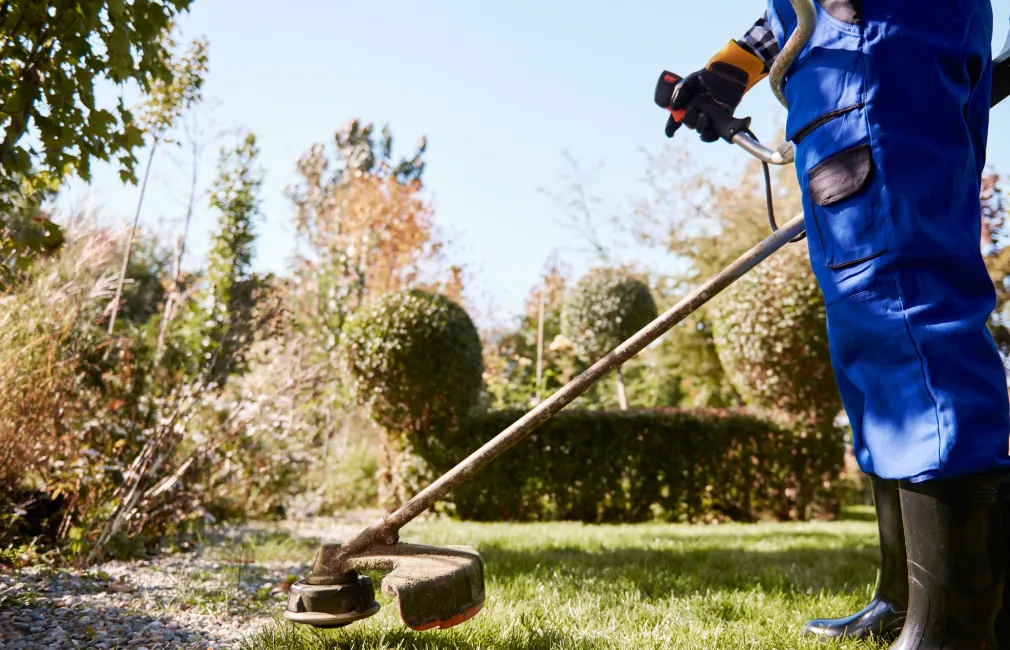
Marlborough Lawn Mowing Types

Residential Lawn Mowing
-
Commercial Lawn Mowing
-
Ride-On Mowing Services
-
Push Mower Services
-
Slashing and Acreage Mowing
-
Edging and Trimming
-
Seasonal Lawn Maintenance
Our Lawn Mowing Process
Site Evaluation
Lawn Preparation
Mowing Execution
Edging and Trimming
Cleanup
Why Choose Marlborough Landscape Services
-
Marlborough Homeowners Trust Us
-
Expert Lawn Maintenance
-
Reliable Seasonal Cleanups
-
Competitive Pricing
-
Professional Team
-
Satisfaction Guarantee
-
Personalized Service
Marlborough’s Glacial Till Soils: Mowing Practices for Local Drainage and Turf Health
Lawn mowing in Marlborough, CT must account for the region’s predominant glacial till soils, which are typically rocky, moderately acidic (pH 5.5-6.5), and often poorly drained. These conditions can lead to compaction and surface water accumulation, especially in spring. To maintain healthy turf, mowing should be performed when soils are firm to avoid rutting, and mower blades should be set at 3-3.5 inches to encourage deep root growth in Kentucky bluegrass (Poa pratensis) and perennial ryegrass (Lolium perenne), the most common local species. Core aeration to a depth of 2-3 inches every 2-3 years is recommended for compacted areas. Soil testing is available through UConn Extension for $15-25 per sample. For detailed soil mapping, consult the USDA Web Soil Survey.
Marlborough CT Public Works
26 North Main Street, Marlborough, CT 06447
Phone: (860) 295-6229
Official Website: Marlborough CT Public Works
Equipment Operation Hours and Noise Ordinance Compliance in Marlborough
Marlborough enforces specific hours for lawn mowing equipment operation to minimize noise disturbances. According to municipal code, permitted hours are:
- Monday-Friday: 7:00 AM - 7:00 PM
- Saturday: 8:00 AM - 6:00 PM
- Sunday and holidays: Prohibited All commercial and residential operators must ensure equipment mufflers are functional and noise does not exceed 85 decibels at the property line. Violations may result in fines or enforcement action. When mowing near public roads, maintain a 15-foot safety buffer and use high-visibility vests and ANSI Z87.1 safety glasses. For questions on local ordinances or enforcement, contact:
Marlborough CT Police Department
26 North Main Street, Marlborough, CT 06447
Phone: (860) 295-9098
Official Website: Marlborough CT Police Department
Yard Waste Collection and Clipping Disposal Through Marlborough Public Works
Proper disposal of grass clippings and yard waste is regulated by Marlborough’s Department of Public Works. Weekly curbside collection runs every Thursday from April through November. Residents must use biodegradable paper bags or reusable bins (32-gallon maximum); plastic bags and branches over 4 inches in diameter are not accepted. Accepted materials include:
- Grass clippings
- Leaves
- Brush under 4 feet in length Improper disposal, such as dumping clippings in storm drains, is prohibited under the town’s MS4 permit and the Clean Water Act. For collection schedules and accepted materials, contact:
Marlborough CT Public Works
26 North Main Street, Marlborough, CT 06447
Phone: (860) 295-6229
Official Website: Marlborough CT Public Works
Wetland Buffers and Stormwater Compliance for Marlborough Lawn Mowing
Properties adjacent to wetlands, streams, or Lake Terramuggus must maintain a 25-foot no-disturbance buffer where mowing and fertilizer application are prohibited. Marlborough’s Conservation Commission enforces these requirements to protect water quality and comply with the Connecticut Environmental Protection Act and EPA MS4 stormwater regulations. Additional restrictions include:
- No fertilizer or pesticide application within 50 feet of water bodies
- Clippings must not enter storm drains or surface waters
- Maintain vegetative cover in buffer zones Violations may result in enforcement action by the Conservation Commission or state agencies. For site-specific guidance, contact:
Marlborough CT Conservation Commission
26 North Main Street, Marlborough, CT 06447
Phone: (860) 295-6206
Official Website: Marlborough CT Conservation Commission
For state-level stormwater and environmental compliance, refer to:
Connecticut Department of Energy and Environmental Protection
79 Elm Street, Hartford, CT 06106
Phone: (860) 424-3000
Official Website: Connecticut Department of Energy and Environmental Protection
Seasonal Mowing Timing for Marlborough’s Climate Zone 6b
Marlborough is located in USDA Hardiness Zone 6b, with a typical growing season from mid-April to late October. Optimal mowing frequency is weekly from May through September, with reduced frequency in early spring and late fall. Key timing guidelines include:
- First mow: Mid-April (soil temp 50°F)
- Peak growth: May-June and September (mow every 5-7 days)
- Avoid mowing during drought or heat stress (July-August)
- Final mow: Late October, before first frost Monitor local weather through the National Weather Service Boston/Norton office for frost advisories and rainfall patterns. For additional seasonal recommendations, consult UConn Extension.
What Neighborhoods Do We Serve Throughout Marlborough, CT?
- Lake Terramuggus Area: Features properties with direct lake frontage and high water tables, requiring strict adherence to wetland buffer regulations and careful clipping management to protect water quality.
- South Main Street Corridor: Includes a mix of historic homes and newer developments, with variable soil compaction and mature tree cover affecting mowing patterns and debris collection logistics.
- Blackledge River District: Proximity to the Blackledge River and associated wetlands necessitates compliance with stormwater and buffer zone ordinances, as well as careful scheduling to avoid runoff during heavy rains.
- Hebron Road Residential: Characterized by larger lots and moderate slopes, this area often faces drainage challenges and requires attention to mowing direction and frequency to prevent soil erosion.
- East Marlborough Estates: Newer subdivisions with engineered soils and underground utilities, where access for commercial equipment may be limited and HOA standards may dictate mowing height and timing.
- West Road Rural Properties: Larger, semi-rural parcels with mixed open fields and forest edges, presenting unique challenges for equipment access and wildlife habitat protection during mowing operations.